Key Aspects of TYC's History and Mission

1. Founding Members

  • Sir Jacint Mene: A key figure in the establishment of the organization, Sir Jacint Mene played a pivotal role in mobilizing resources and creating partnerships for the benefit of youth and children in Tanzania.
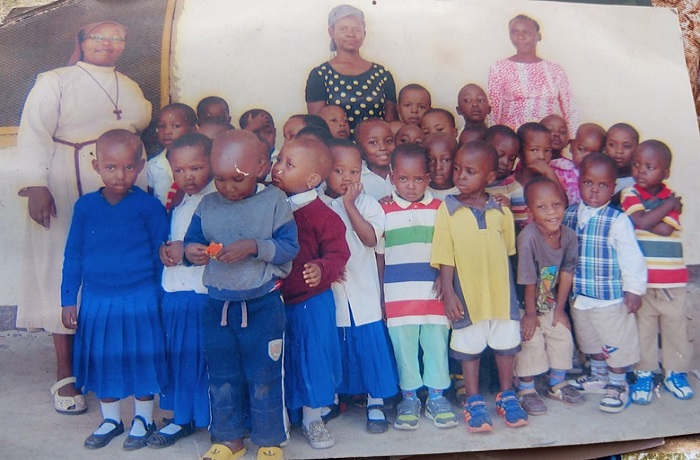
  • Sr. Magreth (Franciscan Sisters of Lady of Poor): The collaboration with Sr. Magreth, a member of the Franciscan Sisters, was essential in guiding the organization's religious and humanitarian direction. The Franciscan order has a long tradition of working with marginalized communities.
  • Community Well-wishers: The support of the local community, both in terms of financial resources and volunteer work, helped ensure the sustainability and impact of the organization.
  • Download Annual Impact Report 2022-2023

    2. Mission and Objectives

    The primary aim of TYC was to address the social, educational, and economic challenges facing youth and children in Tanzania. Some of the key objectives include:

  • Providing educational opportunities for children and youth, especially those from disadvantaged backgrounds.
  • Promoting the health and well-being of young people, including initiatives related to nutrition, healthcare, and mental health.
  • Offering vocational training and employment opportunities to help youth develop skills for future self-sufficiency.
  • Advocating for children's rights, with a particular focus on ensuring their protection from exploitation, abuse, and neglect.
  • 3. Community-Centered Approach

  • TYC was founded with a strong emphasis on community involvement. By partnering with local communities and organizations, TYC ensured that its programs were relevant and responsive to the needs of the youth and children they served. This grassroots approach allowed TYC to build trust within communities and collaborate on solutions that had a lasting impact.
  • 4. Growth and Expansion

  • Over time, TYC's work expanded beyond just providing direct services. It became an advocate for policy changes related to youth and children's welfare, working with the Tanzanian government and other NGOs to push for systemic improvements in areas like education, healthcare, and child protection.
  • 5. Sustainability and Partnerships

  • The success of TYC is rooted in its ability to maintain strong partnerships with other NGOs, community groups, and international organizations. By working collaboratively, TYC has been able to secure funding, mobilize resources, and increase the scope of its programs to reach more youth and children across Tanzania.
  • Here are five key focus areas that align with the mission and vision of empowering women, young people, and children from poor families:

    1. Education and Skills Development

  • Providing access to quality education for children and young people, including formal schooling, literacy programs, and extracurricular activities.
  • Offering vocational training and skills development programs for women and youth, equipping them with practical skills for employment and entrepreneurship.
  • Ensuring educational resources, including scholarships, learning materials, and mentorship, are available to help individuals succeed academically and professionally.
  • 2. Healthcare and Well-being

  • Ensuring access to basic healthcare services, including maternal and child health care, vaccinations, and general medical support.
  • Promoting mental health awareness and providing resources for coping with stress, trauma, and other psychological challenges, especially for vulnerable individuals
  • Implementing health and hygiene education, including nutrition programs and awareness about disease prevention
  • 3. Economic Empowerment and Livelihoods

  • Supporting income-generating activities and micro-enterprise development for women and young people to achieve financial independence.
  • Facilitating access to financial literacy training, savings programs, and small loans for entrepreneurial ventures.
  • Encouraging sustainable agricultural practices and small-scale business models that can help families create long-term wealth and security.
  • 4. Child Protection and Rights Advocacy

  • Working to prevent child labor, abuse, and exploitation by raising awareness about children's rights and promoting legal protections.
  • Offering safe spaces for children, providing counseling and support for those affected by trauma or abuse, and ensuring access to child-friendly legal services.
  • Engaging communities to promote child rights and protection, ensuring that children can grow and develop in safe, nurturing environments.
  • 5. Leadership and Social Inclusion

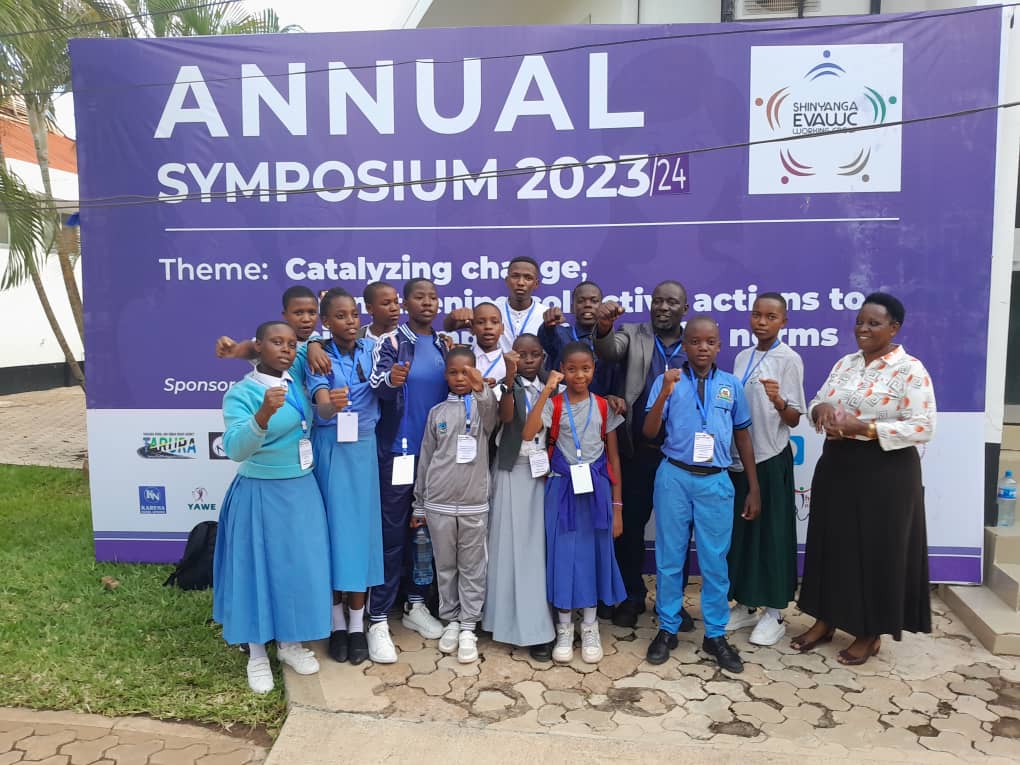
  • Empowering women and young people to take leadership roles in their communities, promoting gender equality, and fostering a sense of self-worth and confidence
  • Creating platforms for youth and women to engage in decision-making processes, whether in their households, local communities, or broader societal issues.
  • Promoting social inclusion, combating discrimination, and ensuring that marginalized groups are given a voice in shaping the future of their communities.
  • These focus areas work together to create an integrated approach that addresses the multifaceted challenges faced by women, young people, and children from poor families, helping them to realize their full potential and improve their lives

    Main Objectives

  • Education and Skills Development: Provide comprehensive education and vocational training to empower individuals with the knowledge and skills required for personal and professional growth.
  • Healthcare and Well-being: Ensure equitable access to essential healthcare services and promote mental and physical well-being in vulnerable communities.
  • Economic Empowerment and Livelihoods: Strengthen economic resilience by fostering entrepreneurship, financial literacy, and sustainable livelihoods.
  • Child Protection and Rights Advocacy: Protect and promote the rights of children, ensuring they are free from exploitation and have the support they need to grow and thrive.
  • Leadership and Social Inclusion: Promote leadership development, social inclusion, and gender equality by creating opportunities for marginalized groups to participate in decision-making processes.